Connect, tighten, and secure cargo with the 1.5-inch ratchet strap. It combines a 304 stainless steel ratchet with 304 stainless steel double J hooks at both ends and offers a breaking strength of 4,400 lbs.
Marine-grade tie down straps featuring corrosion-resistant stainless steel materials and custom designs for boat, jet ski, and watercraft applications.
Connect, tighten, and secure cargo with the 1.5-inch ratchet strap. It combines a 304 stainless steel ratchet with 304 stainless steel double J hooks at both ends and offers a breaking strength of 4,400 lbs.
Secure and bundle equipment with a hook-free ratchet strap built around a 304 stainless steel tensioner. It features 1.5-inch webbing, an endless loop configuration, and a breaking strength of 4,400 lbs.
Designed for wrapping and securing cargo without hooks, making it ideal for boats, kayaks, motorcycles, ATVs, pipes, lumber, and other bulky loads. Featuring a **304L/316L stainless steel** ratchet and durable polyester webbing, it provides outstanding corrosion resistance and dependable load security in marine and outdoor environments.
Built for marine transport and trailer tie-down applications where corrosion resistance is essential. Its marine grade **stainless steel** ratchet and S-hooks provide lasting durability and dependable load security in harsh outdoor conditions.
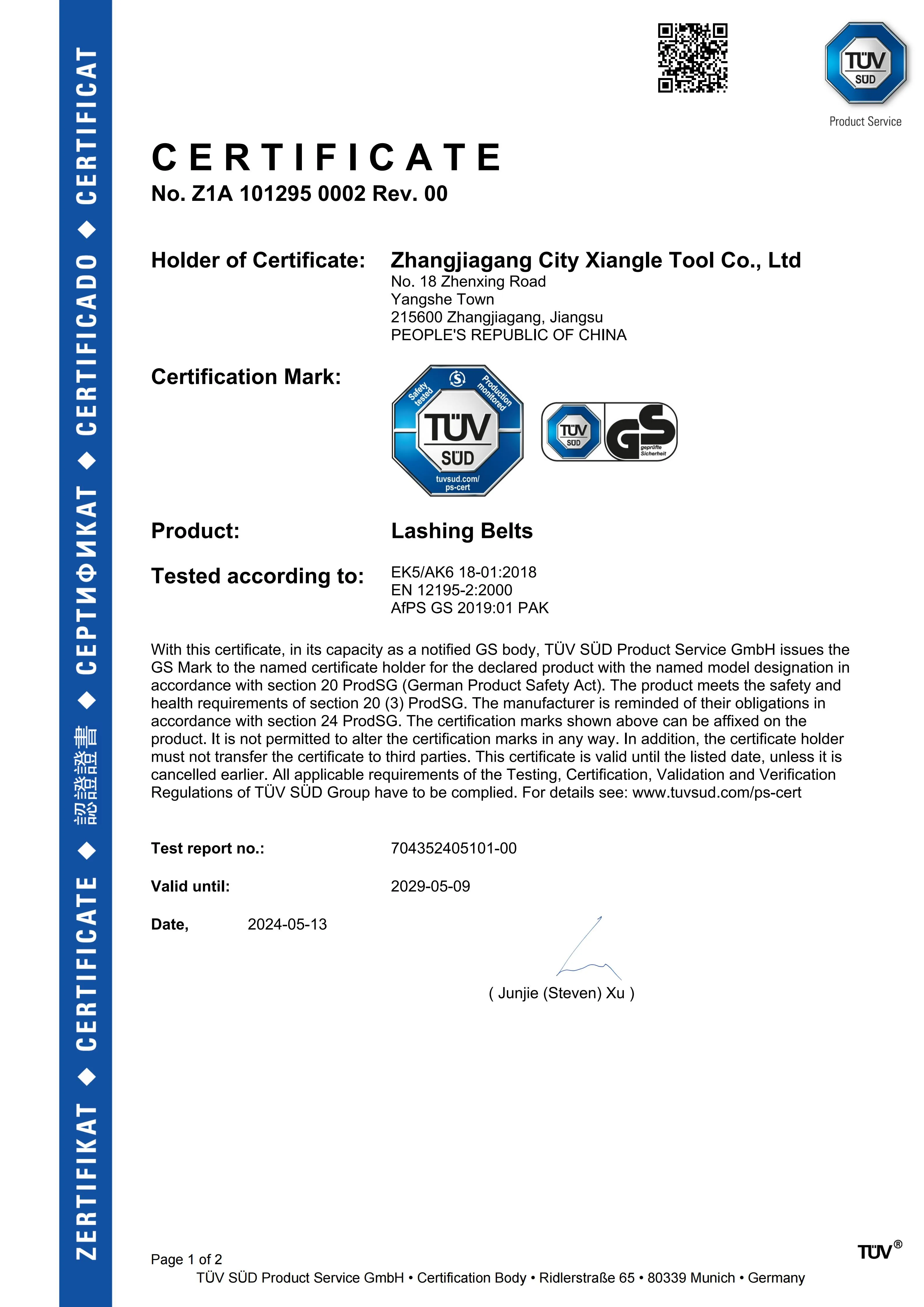
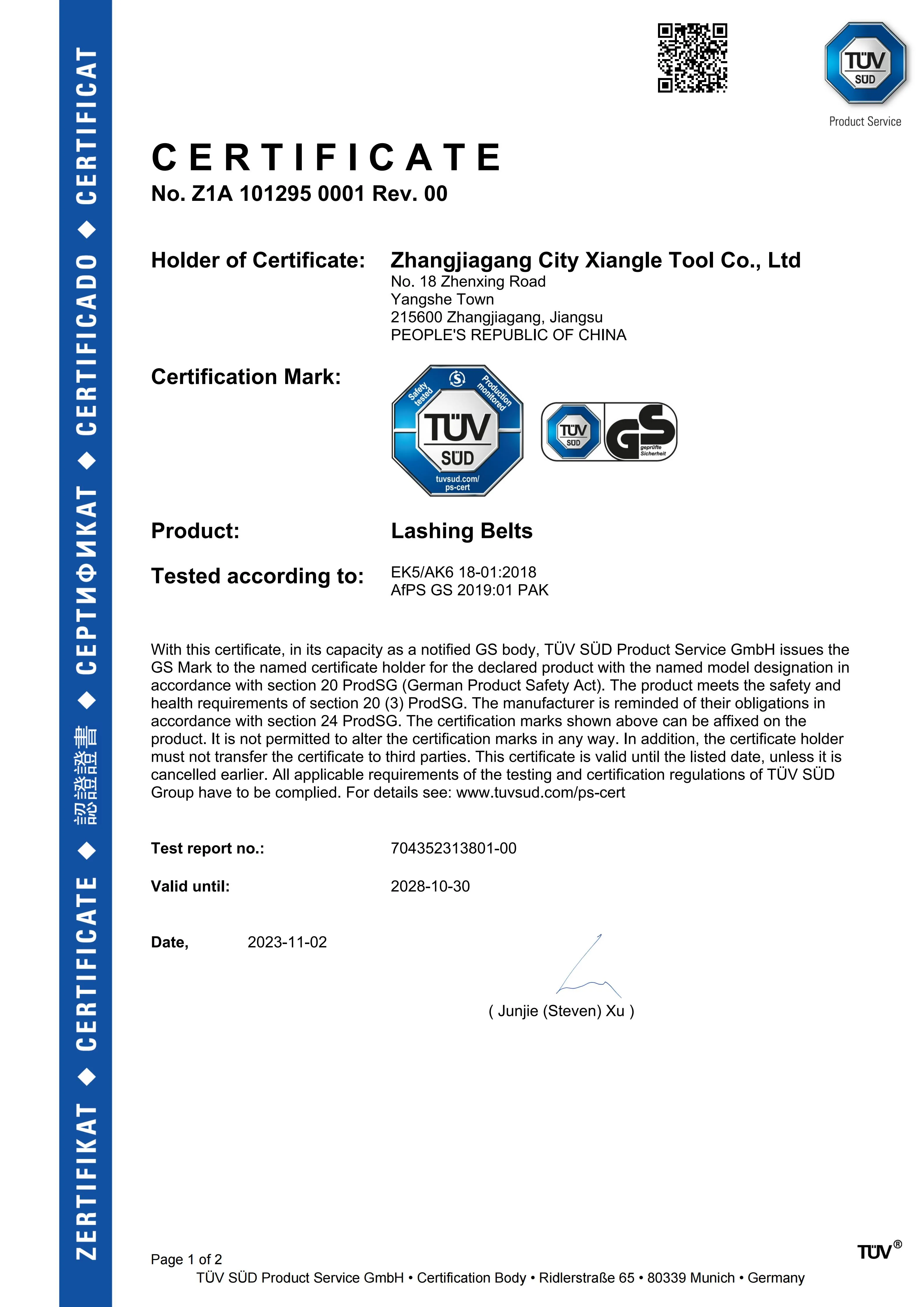
A 1-inch stainless steel endless ratchet strap with a rubber grip is a premium, marine-grade cargo lashing device engineered to deliver ultimate corrosion resistance alongside ergonomic, slip-free tensioning. Featuring TÜV/GS certified construction, 304L/316L stainless hardware, and a high-tenacity hookless webbing loop, this tie-down system provides a reliable 1,763 lbs assembly breaking strength specifically optimized for bundling materials in harsh, wet, or coastal environments.
A stainless steel endless ratchet strap is a highly corrosion-resistant cargo lashing device engineered specifically to bundle and secure loads in harsh marine, coastal, or high-humidity environments. Constructed with premium 304L or 316L stainless steel hardware and high-tenacity polyester webbing, this hookless tie-down system delivers a certified 1,763 lbs assembly breaking strength (587 lbs WLL) while preventing rust and degradation season after season.
This 304L stainless steel ratchet strap with S hooks is designed for secure cargo fastening in marine, trailer, outdoor, and transportation applications. Featuring corrosion-resistant stainless steel hardware, durable polyester webbing, and convenient S-hook attachments, it provides a reliable and easy-to-use tie-down solution for demanding environments.
Heavy-duty 2-inch auto-retractable ratchet strap designed for permanent installation. Includes M12 mounting hardware, eliminating the need for a short tail strap. Ideal for securing boats to trailers.
1-inch marine-grade stainless steel auto-retractable ratchet strap. Features a 304L rust-proof body, 301L internal spring, and included mounting hardware for permanent bolt-on transom tie down applications.
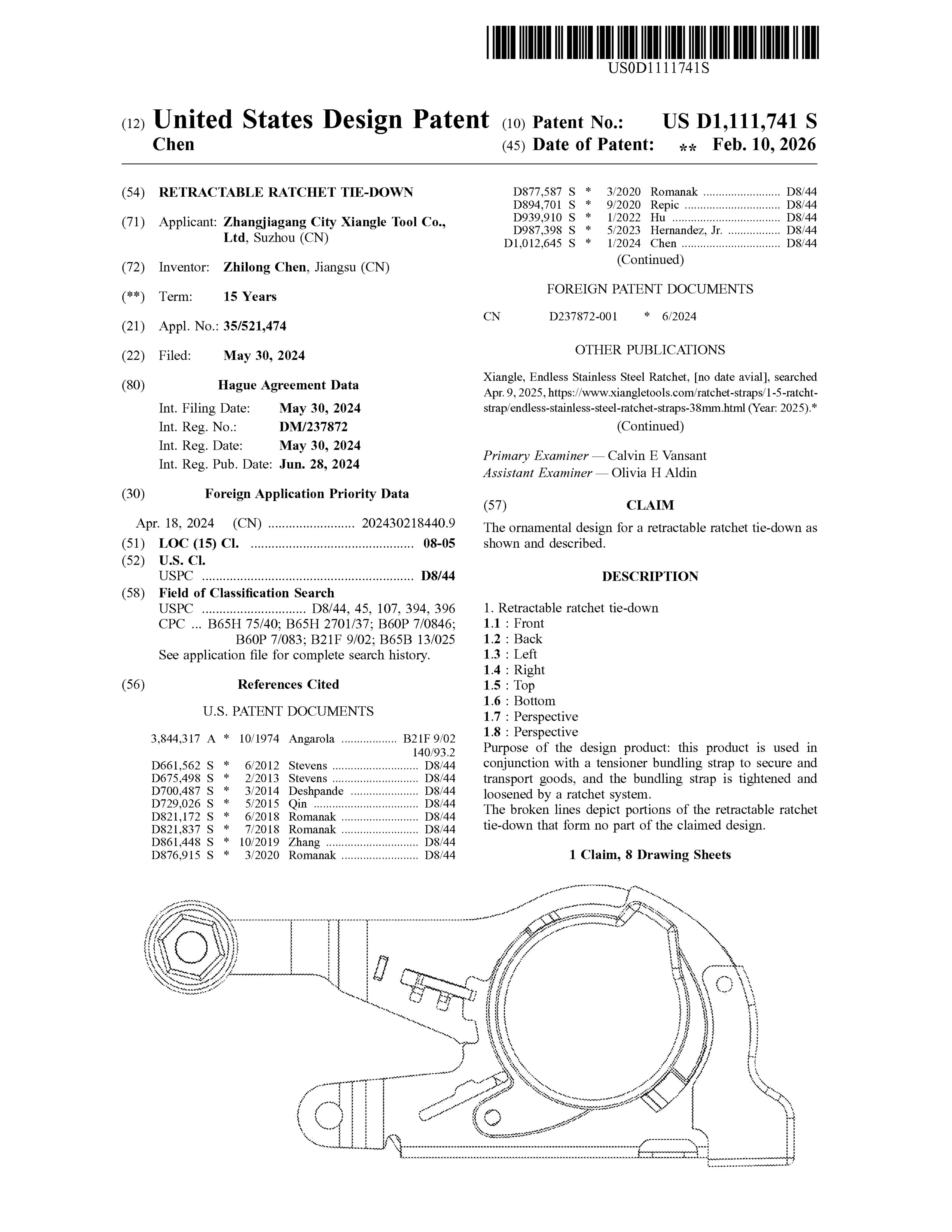
Marine-grade 304L stainless steel retractable ratchet strap with upgraded 301L spring, compact one-hand operation, and corrosion-resistant construction.
A 1 inch endless loop cam buckle strap made with yellow polyester webbing, a stainless steel cam buckle, and a black sewn-on handle behind the buckle. The hook-free loop design is simple to use for bundling, securing, and light-duty tie-down applications where quick adjustment and clean handling are important.
Stainless steel retractable boat tie-down strap with protective pad and 1763lbs breaking strength for boats, kayaks, and trailers.
Marine cargo systems operate under highway transport stress and continuous saltwater exposure. UV radiation, humidity, and repeated launch cycles significantly affect durability and performance.
Boats also behave as dynamic loads, shifting during braking, acceleration, and ramp operations. This makes marine securement fundamentally different from standard cargo applications.
PioneersGears develops marine-specific tie-down systems designed for these real-world conditions, serving boat manufacturers, trailer OEMs, and marine accessory brands.
During transport, boats experience forward inertia, ramp angle transitions, and road vibration simultaneously. These forces create both horizontal and vertical movement that must be controlled together.
Marine cargo systems must function as a multi-point restraint system rather than a single tie-down point.
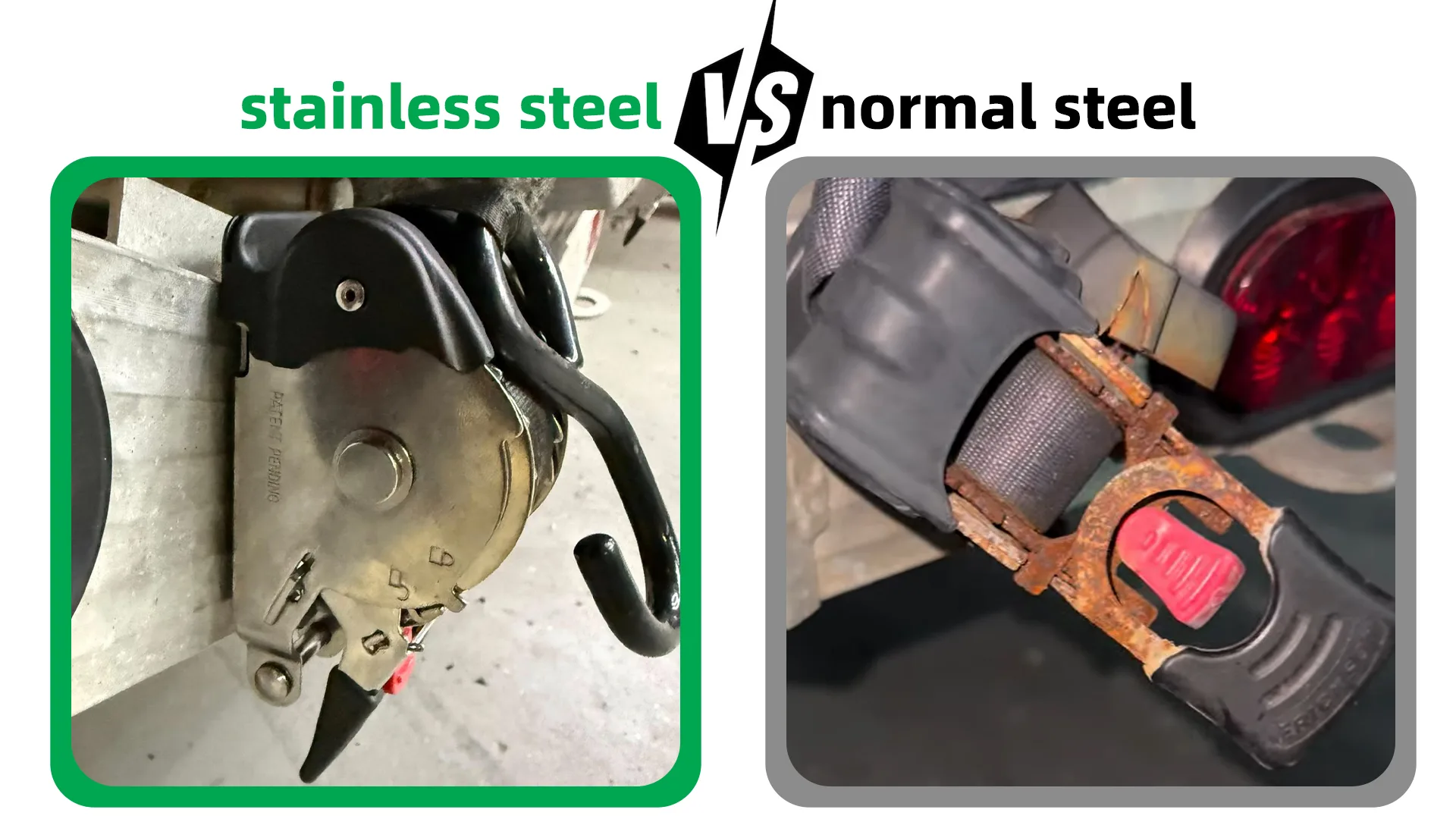
Marine environments accelerate degradation through salt crystallization, galvanic corrosion, UV exposure, and repeated wet-dry cycles.
Cargo control systems must be engineered for long-term corrosion resistance to maintain stable performance across repeated marine use conditions.
Effective marine securement relies on three coordinated functions: bow restraint, stern stabilization, and lateral anti-sway control.
Each component works together to maintain vessel stability during highway transport and ramp loading operations.
Marine cargo systems are used for fiberglass boats, aluminum fishing boats, PWC/jet skis, pontoon boats, and offshore equipment transport.
Each application requires different load handling and positioning strategies depending on hull design and trailer geometry.
Marine OEM development considers hull shape, trailer configuration, load angle behavior, and docking compatibility.
This ensures products are designed for real transport conditions rather than generic cargo use
Our engineering team conducts rigorous in-house Salt Spray Testing (ASTM B117 standards) on all customized marine hardware, allowing us to formulate the exact zinc, galvanization, or stainless steel grade required for your specific marine environment.
Protecting the boat's gel coat is paramount. We custom-design and seamlessly stitch heavy-duty nylon, neoprene, or thick rubber protective backing pads directly behind the metal tensioning devices, ensuring zero metal-to-hull contact during transit.
To survive in the marine industry, tie-downs require specialized metallurgy and advanced textiles. We source the industry's most resilient marine-grade materials to ensure your products never fail on the boat ramp and never rust in the driveway.
For offshore applications, we utilize solid 304 and 316-grade stainless steel for our ratchets and over-center buckles, providing the ultimate defense against galvanic corrosion, pitting, and rust.
Webbing is only as strong as its stitches. Because marine straps are constantly wet and dry, we utilize specialized UV-treated, anti-rot polyester thread for all structural cross-box stitching, preventing the seams from degrading in high humidity.
Our specialized marine polyester webbing is engineered to repel water rather than absorb it. This ensures the strap does not gain heavy water weight, prevents mold growth in storage, and absolutely prevents hull-damaging stretch during transport.
To prevent disastrous disconnections on bumpy boat ramps, our marine straps feature heavy-duty forged hooks with integrated spring-loaded safety keepers, guaranteeing the connection to the bow eye remains securely locked.
Both offer excellent rust resistance compared to standard steel. Grade 304 is the industry standard for freshwater and general marine use. Grade 316 contains molybdenum, which provides significantly superior resistance to pitting and corrosion caused specifically by harsh saltwater and chloride exposure, making it the best choice for offshore and coastal brands.
Absolutely. We have the manufacturing scale to support both sectors. We can supply bulk, un-packaged marine straps directly to trailer assembly lines, or we can manufacture fully branded, retail-packaged marine tie-down kits for marine supply stores and global outfitter brands.
We employ a dual-protection strategy. First, all structural hooks (like J-hooks) are heavily dipped in a durable, marine-grade vinyl coating. Second, we integrate wide, thick protective backing pads (made of heavy nylon or rubber) directly beneath the over-center buckles and ratchets to ensure metal never touches the hull.
Yes. As an OEM manufacturer, we regularly partner with boat trailer companies. We can customize the total length, webbing width, and specifically engineer the sewn tail loop (or provide a free-end configuration) to integrate flawlessly with your specific manual or electric winch systems.